


Ring type Joints
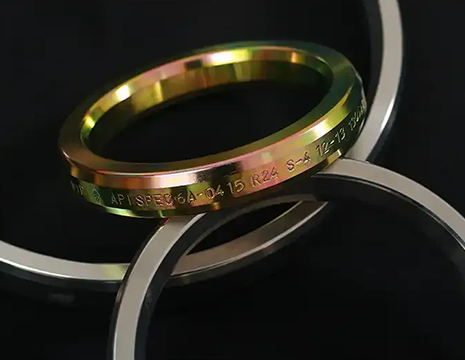
OGF Ring Joint Gaskets suitable for high pressure and high temperature applications. Ring Joint Gaskets are designed to seal by "initial line contact" or wedging action between the mating flange and the gasket. Ring gaskets are essential in various industries and crucial in creating reliable seals for pipelines, flanges, and other connections. Used extensively to prevent fluid and gas leaks, ring gaskets find applications in industries from oil and gas to chemical processing.
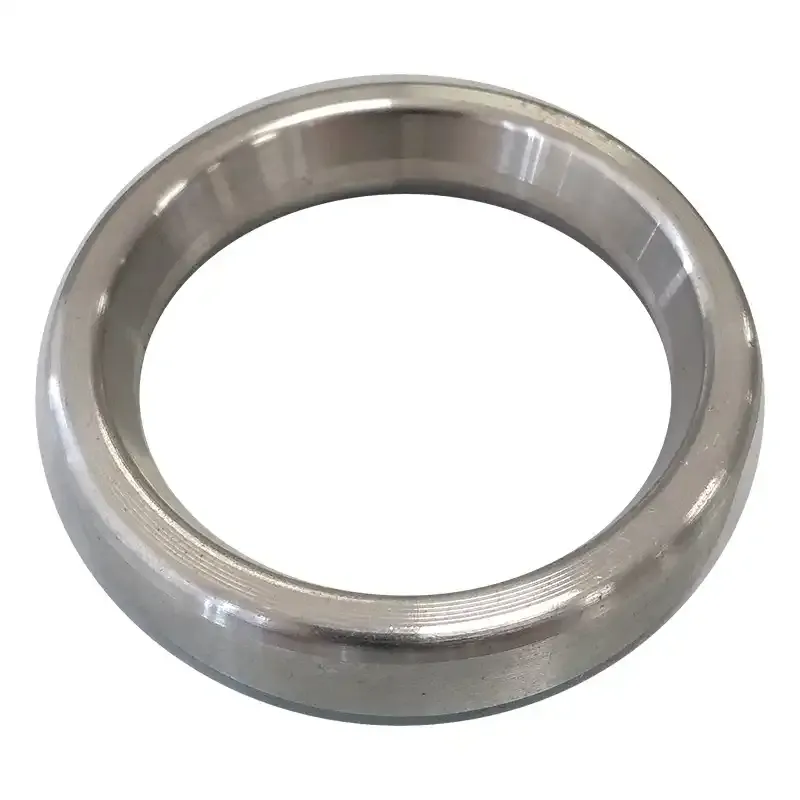
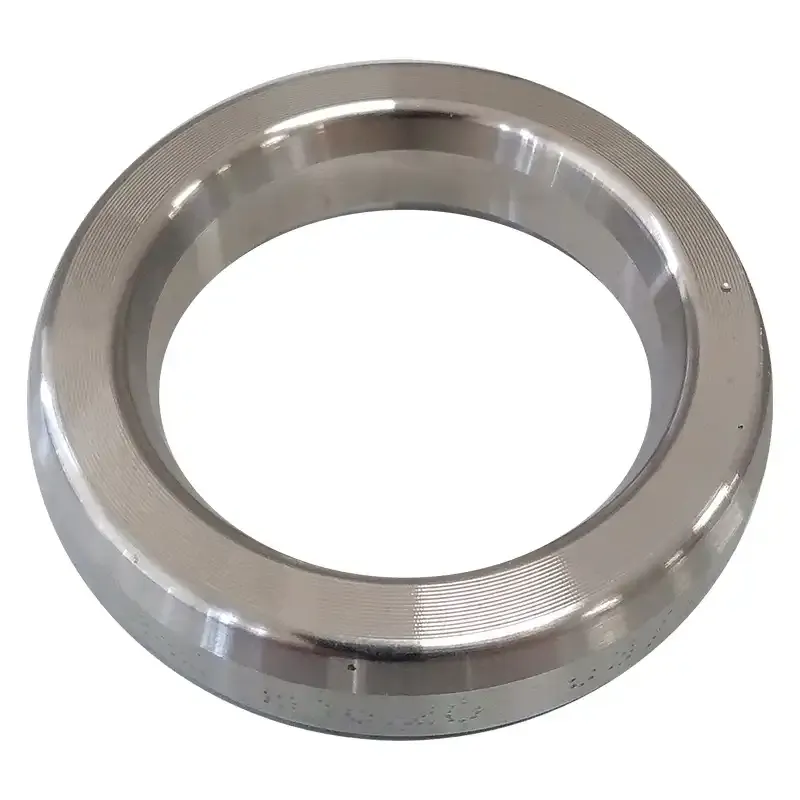
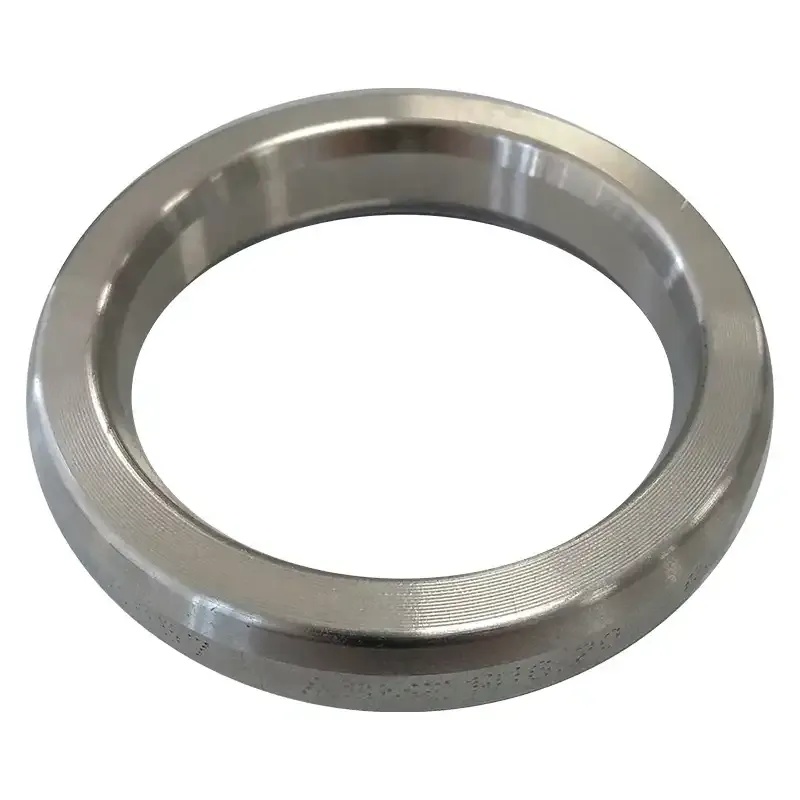
The R Type is the most often used supplied with two different profiles, oval or octagonal. The oval type was the original design with an oval shaped groove machined into the Flange Face. The octagonal RTJ is a modification to the oval design and is the most common because of its sealing efficiency.
The RTJ flange (Ring Type Joint) is designed for high-pressure and/or high-temperature pipeline applications. This makes them the required standard in API specification flanges. Applications include oil field valves, pipework assemblies, and high integrity pressure vessel joints.
Standards
Ring Joint Gaskets are manufactured according to any standard and non-standard sizes, including the standards of API 6A, API 17D, ASME B16.20, DIN 2693-67, JPI-7S-23-72 and other standards to suit ASME B16.5, ASME B16.47 Series A & Series B, API 6A Type 6B and 6BX flanges.
Applications
- Oil and gas industry
- Petrochemical industry
- Power plant technology
- Flange connections
- Pipe connections
- Heat exchangers, valves, pumps, compressors, boilers and other types of industrial equipment
Technical Literature of Ring Joint Gasket
Surface Finish
Style R and RX gaskets shall have a surface finish not rougher than 1.6μm (63μin.) roughness. Style BX gaskets shall have a surface finish not rougher than 0.8μm (32μin.) roughness.
Material
Ring joint gaskets generally are made from soft iron, low carbon steel, alloy steels (such as F5 and 410), stainless steels (including 304, 304L, 316, 316L, 321, 347, 410), and also be designed by some non-ferrous metals, for example, high nickel alloys, super alloy steels and Titanium, etc.